
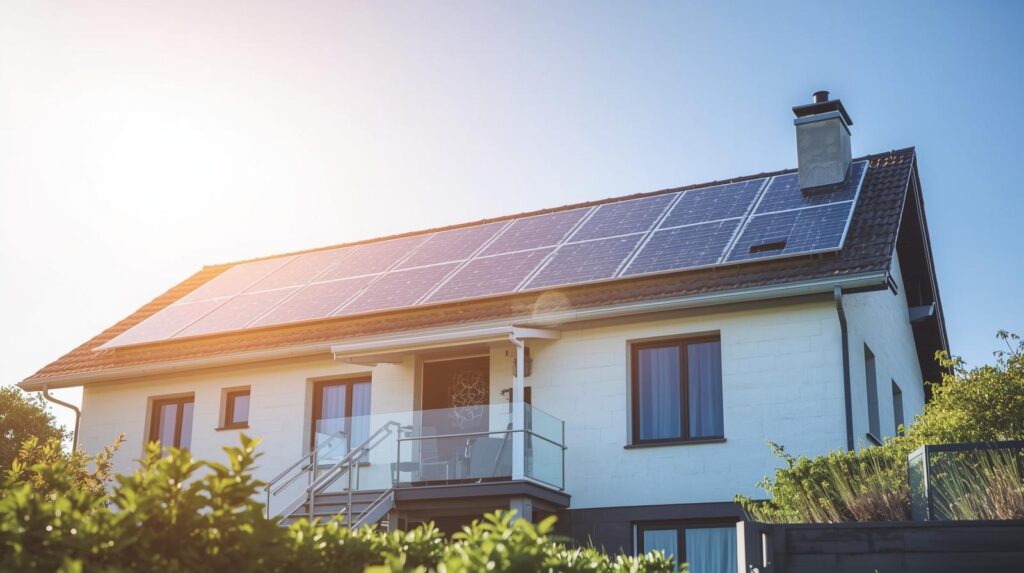
California homeowners face some of the highest electricity rates in the country. With rates rising faster than inflation and new utility rules like NEM 3.0 cutting into solar export credits, many families are looking for smarter ways to go solar.
For those who don’t want to pay cash or take out a large loan, financing options like solar leases and PPAs have long been popular. But now, a new option is gaining traction: HDM’s Prepaid Solar PPA.
This guide breaks down what makes prepaid PPAs different, how they compare to traditional solar leases, and why they might be a game-changer for California homeowners.
Solar Financing Calculator
Compare costs of cash, lease, PPA, and HDM prepaid solar PPA in California
What Is a Traditional Solar Lease?
A solar lease is one of the oldest financing models in the industry. Here’s how it works:
- The installer owns and maintains the system.
- The homeowner pays a fixed monthly lease payment (like renting panels).
- The homeowner benefits from the electricity produced but does not own the panels.
Pros and Cons of a Solar Lease
| Pros | Cons |
|---|---|
| Little or no upfront cost | No access to federal tax credits (ITC) |
| Maintenance included | You don’t own the system |
| Predictable monthly payments | Lease escalators can raise costs over time |
| Easy to transfer to utility bills | Can complicate selling your home |
Related: See how system costs compare in How Much Do Solar Panels Cost in California (2025)
What Is a Power Purchase Agreement (PPA)?
A PPA (Power Purchase Agreement) is similar to a lease but with a twist: instead of paying a fixed lease, you pay for the electricity the system produces (per kWh).
- If your panels produce 800 kWh in a month, you pay for those kWh at the agreed PPA rate.
- The rate is usually lower than your utility’s but may include escalators.
How Does HDM’s Prepaid Solar PPA Work?
HDM’s model combines the predictability of ownership with the simplicity of a lease:
- The homeowner makes a single upfront payment (often financed through a HELOC or personal loan).
- HDM claims the federal tax credit and depreciation benefits, passing savings back to the homeowner through lower upfront cost.
- The homeowner then enjoys little to no ongoing payments for solar energy.
- After a set period (often around 6 years), ownership may transfer to the homeowner.
Example: California Home with 7 kW System
| Factor | Traditional Lease | Standard PPA | HDM Prepaid PPA |
|---|---|---|---|
| Upfront Cost | $0–$1,000 | $0–$1,000 | ~$12,000–$14,000 |
| Monthly Payment | $100–$150 | $0.18/kWh | $0 |
| Tax Credit (ITC) | Lessor claims | PPA provider claims | HDM claims, passes savings |
| Maintenance | Included | Included | Included |
| Ownership | No | No | Transfer after ~6 years |
Prepaid PPA vs. Lease: Side-by-Side
Here’s a quick snapshot of how they compare:
| Feature | Traditional Lease | HDM Prepaid PPA |
|---|---|---|
| Upfront Cost | Low | High (but discounted by ITC benefits) |
| Monthly Bills | Fixed | None |
| Tax Credit Access | No | Indirect (via HDM) |
| Maintenance | Included | Included |
| Home Sale Transfer | Possible but tricky | Easier after transfer period |
| Long-Term Savings | Moderate | Higher potential |
| Contract Risk | Escalators, long terms | Buyout/transfer clauses |
Why It Matters in California
California’s solar landscape is unique:
- High utility rates: PG&E, SCE, and SDG&E customers pay some of the highest rates in the U.S.
- NEM 3.0: Solar export credits are now worth much less, making predictable savings more important.
- Tax credit challenges: Not every homeowner has enough tax liability to benefit from the federal ITC.
That’s where prepaid PPAs shine. By letting HDM capture and monetize the tax credits, homeowners get lower upfront costs and stable savings, without needing a big tax bill.
Risks & Things to Watch Out For
Prepaid PPAs aren’t perfect. Homeowners should carefully read the fine print:
| Potential Risk | What to Ask |
|---|---|
| Contract length | How long until transfer? What happens after 6 years? |
| Production guarantee | Is there a minimum output promised? |
| Escalators | Are there hidden rate increases? |
| Home sale | Can the contract be transferred easily? |
| Buyout fees | Is there a fee if you move or want to buy early? |
Maintenance: Who’s Responsible?
Both leases and PPAs usually include maintenance. This can be a big relief in California, where dust, wildfires, and hot summers can impact panel performance.
See average upkeep costs in Solar Maintenance Cost in 2025: Complete Guide for California Homeowners
Batteries and Add-Ons
One common question: Can I add a battery with a lease or prepaid PPA?
- Traditional leases sometimes exclude batteries.
- Prepaid PPAs may allow battery integration, but it depends on contract terms.
Related: Explore options in Best Home Solar Batteries in 2025
Who Should Consider a Prepaid PPA?
Good fit:
- Homeowners planning to stay in their home for 6+ years.
- Those with limited tax liability but want solar savings.
- People who want no monthly solar bills after installation.
Not ideal for:
- Homeowners who may move soon.
- Those who prefer traditional ownership and full control.
- Households with strong tax liability who could capture the ITC directly.
Conclusion
For many California homeowners, HDM’s Prepaid Solar PPA could be a smarter path to solar savings than a traditional lease. With no monthly bills, included maintenance, and potential ownership after a few years, it offers stability in a state where utility costs are anything but stable.
But as with any contract, the details matter. Always ask about escalators, transfer terms, and buyout options before signing.
Ready to see which financing option is best for your home?
Get your Instant Solar Quote today.